How to Take Creatine: Dosage, Timing & Best Practices
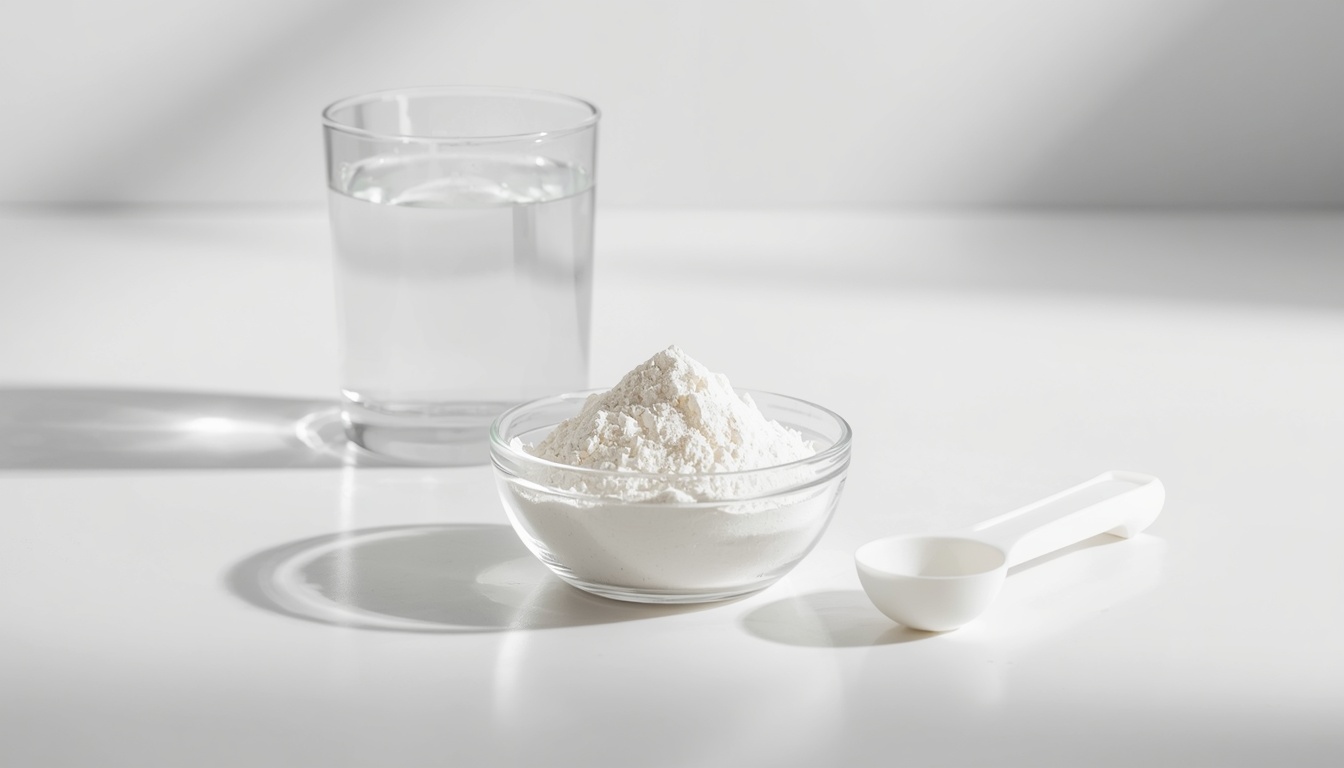
How to Take Creatine?
Creatine often fails to deliver the expected results simply because many athletes do not know how to take it properly. One of the main factors affecting its effectiveness is the way it is used and combined with other nutrients.
One of the key factors discussed in relation to creatine uptake is insulin. Carbohydrates can increase insulin levels in the blood and may help transport creatine into muscle fibers, where it can contribute to the resynthesis of ATP.
Many people take creatine immediately before a workout, although this timing does not necessarily provide additional benefits. For some people, taking it immediately before training may also cause stomach discomfort or nausea during exercise.
Creatine is stored in the body, so it can be taken after training to replenish creatine stores used during exercise. It can also be taken at other times of the day, including on rest days.
Creatine With Sports Nutrition
Combining creatine with other sports nutrition products can be convenient and may help you incorporate it into your daily routine.
Creatine and Mass Gainer
A mass gainer usually contains a significant amount of carbohydrates, which can be useful when taking creatine. The two supplements can be combined by simply adding creatine to your gainer.
If your gainer already contains creatine, check how much creatine it provides per 100 grams and how much gainer you consume per serving. This allows you to calculate the total amount of creatine you are getting.
Creatine and Protein
Can you mix creatine with protein? Yes. Creatine can be added to a protein shake, making it an easy way to take both supplements together.
Protein powders also tend to have a pleasant flavor, which can help mask the somewhat unpleasant taste of creatine powder.
The same principle applies to amino acids. Creatine and amino acid supplements can be taken at the same time, and some sports nutrition products already combine creatine with amino acids such as BCAAs.
Creatine Dosage and How to Take Creatine
A standard serving of creatine is commonly listed as 5 grams. However, not every creatine container comes with a measuring scoop.
If there is no scoop, a regular teaspoon can be used as a rough household measure for approximately 5 grams of creatine powder.
The amount of creatine a person uses can depend on several factors:
- Diet: Natural creatine is found in foods such as meat and fish, so dietary habits can affect overall creatine intake.
- Training: Different types of physical activity can place different demands on the body's energy systems.
- Individual characteristics: Creatine supplementation can produce different results depending on the individual.
Because individual responses can vary, it is useful to monitor your training performance and adjust your supplementation approach accordingly rather than simply copying another person's routine.
Creatine Loading Phase: Pros and Cons
For many years, the creatine loading phase was considered an important part of supplementation. The traditional approach involved taking several 5-gram servings of creatine every day for a short period of time.
The idea behind loading is to increase the body's creatine stores more quickly. After the loading period, the daily amount would then be reduced to maintain those levels.
However, research has suggested that a loading phase is not necessarily required. Taking a smaller amount of creatine consistently over a longer period can also increase muscle creatine stores.
For this reason, people who prefer a simpler supplementation routine can take creatine consistently without using a loading phase.
How to Take Creatine Powder
Creatine is available in several forms, including capsules, tablets, and powder. Creatine powder is often preferred because it provides a convenient and economical way to measure a desired serving.
Most manufacturers include a measuring scoop in their creatine containers. If your product does not include one, a regular teaspoon can be used as a practical alternative.
Creatine powder can be dissolved in a liquid, mixed into oatmeal, added to a protein shake or mass gainer, or simply taken with a drink.
The article's approach recommends taking creatine together with an adequate amount of carbohydrates, which is why sweet beverages such as grape juice are often suggested.
How to Take Creatine Capsules
Creatine capsules are another convenient form of creatine supplementation. They are especially practical for people who travel or want a simple way to carry and take their supplement.
One disadvantage is that capsules usually contain a relatively small amount of creatine per capsule. A typical capsule may contain up to 500 mg, meaning that several capsules may be needed to reach a 5-gram serving.
Creatine powder is generally less expensive and can be easier to mix into oatmeal, shakes, or other drinks. Capsules, however, can be more convenient when you are away from home.
Regardless of the form you choose, the main consideration is consistent supplementation and an appropriate way of incorporating creatine into your nutrition routine.
The first hour after an intense workout is often considered a convenient time to take creatine because muscles are actively recovering and receiving nutrients during this period.
Creatine and Water
Water is frequently discussed alongside creatine because one of the commonly noticed effects of creatine supplementation is an increase in water stored in the muscles.
This temporary increase in water does not necessarily mean that a person will experience visible swelling. For healthy individuals, the additional fluid is generally associated with changes in muscle hydration.
Muscle fibers contain a large amount of water, so increased hydration can contribute to a fuller appearance of the muscles. Additional water can also contribute to a temporary increase in body weight.
Creatine may also contribute to improved explosive strength and training performance, potentially allowing athletes to use heavier working weights or perform additional repetitions.
How Much Water Should You Drink?
Some athletes reduce their water intake because they are concerned about water retention. However, deliberately restricting fluids can negatively affect hydration and overall health.
Maintaining adequate hydration is important while taking creatine, especially when training regularly or exercising in hot conditions.
Creatine hydrochloride, also known as creatine HCl, is another form of creatine that is often marketed as causing less water retention than traditional creatine monohydrate.
Taking a Break from Creatine
Creatine can generally be taken continuously, and regular breaks are not necessarily required for everyone.
Some recommendations have suggested taking periodic breaks after several weeks or months of regular supplementation. These recommendations are based on the possibility that the body may adapt to prolonged supplementation.
Whether or not to take a break can therefore depend on your personal supplementation routine and goals.
Frequently Asked Questions About Creatine
Can You Take Creatine With Water?
Yes, creatine can be taken with water. According to the approach described in this article, it can also be combined with carbohydrates.
If you prefer taking creatine with water, you can add a source of carbohydrates such as honey, jam, preserves, or sugar according to your preference.
Taking creatine with water is also a simple way to control exactly what ingredients are included in your drink.
Which Type of Creatine Does Not Cause Water Retention?
This is a common question, especially among athletes who compete in weight-class sports and are concerned about changes in body weight.
Creatine hydrochloride (creatine HCl) is often promoted as a form that causes less water retention while providing the benefits associated with creatine supplementation.
Many other forms of creatine have appeared on the sports nutrition market, but the article notes that some of these alternatives have less scientific support than traditional creatine forms.
Can You Take Creatine With Milk?
Yes, creatine can be taken with milk or mixed into a milk-based drink, provided that you tolerate dairy products.
Creatine is naturally found in foods such as meat and fish, and milk can also be used as a base for protein shakes and other sports nutrition products.
For people who enjoy milk-based shakes, adding creatine can therefore be a convenient way to incorporate it into their daily supplementation routine.